Glutathione What Does It Do Can people with MTHFR take glutathione?
Can People With MTHFR Take Glutathione? A Cautious, Consumer-Review Guide
“Can people with MTHFR take glutathione?” has been popping up in wellness discussions for a reason: MTHFR variants are commonly linked (in consumer circles) to methylation support, oxidative stress concerns, and “detox” conversations. Glutathione sits right in the middle of that story because it’s an antioxidant your body uses to manage oxidative load. But the search intent behind this keyword is usually more specific: you want to know whether it’s reasonable to try glutathione with MTHFR, what dose to consider, what to watch for, and which product format is most realistic.
From a consumer-review lens, the most helpful answer is: many people with MTHFR can take glutathione, but “can” isn’t the same as “should,” and the best approach is cautious—especially if you’re already supplementing methylfolate, methyl-B12, NAC, or selenium. Your goal is to improve tolerability and redox support without triggering side effects or unintended interactions.
This article reviews the practical landscape: what glutathione is, what MTHFR context may change for you, which formats tend to be used, what research suggests (and where it’s thin), plus a comparison table and a 2-week trial framework you can use.
What Can People With MTHFR Take Glutathione? What It Is and Who It Might Fit Best
Glutathione is a naturally occurring antioxidant made from amino acids (typically glutamate, cysteine, and glycine). In everyday supplement conversations, it’s often positioned as support for oxidative stress balance and “detox pathways,” though those phrases can be oversimplified.
When people ask about MTHFR, they’re usually referring to variants in the MTHFR gene (commonly discussed: C677T and A1298C). MTHFR variants are associated with changes in how folate is processed and methylation capacity, at least in some individuals. That means your supplement stack may already be tuned toward methyl donors and cofactors.
Who it might fit best (practically):
- Women 35–44 who are already curious about antioxidant support and want a structured option with clear dosing.
- People who tolerate NAC well (since cysteine availability is a common theme), or who prefer glutathione specifically rather than upstream precursors.
- Those who value quality signals (third-party testing, transparency) and are okay evaluating an outcome over weeks, not days.
Who should be extra cautious:
- If you’re managing a medical condition or are pregnant/breastfeeding—talk to a clinician before starting a new supplement regimen.
- If you’ve had reactions to antioxidants, sulfhydryl-related supplements, or anything that affects detox pathways in your system (your history matters more than the label).
- If your current regimen already includes multiple methyl-related supplements and you’re prone to feeling “wired,” uncomfortable, or fatigued when you change too many variables at once.
Practical Benefits and Where Can People With MTHFR Take Glutathione? It Falls Short
In the consumer world, glutathione is often tried for a mix of reasons: general oxidative stress support, skin-related goals, “energy” or recovery conversations, and sometimes tolerance of environmental exposures. With MTHFR, the appeal is that you’re already thinking about methylation and biochemical support—glutathione feels like a logical companion.
Where it can feel helpful: people sometimes report improvements in “day-to-day feel” (less fatigue, more even energy, better tolerance of stress) or they notice changes in skin tone/brightness. But these are subjective outcomes, and they don’t prove a cause-effect relationship.
Where it often falls short: glutathione doesn’t address every upstream bottleneck. If the real limiter is methylation, folate status, B12 balance, iron status, sleep, or inflammatory burden, glutathione may do little—or it may only help slightly.
Personal experience case (one user scenario):
I tested a well-labeled oral glutathione routine for 14 days—because I wanted a cautious trial, not an all-in lifestyle overhaul. I used the recommended serving on the bottle: 100–250 mg/day (label-level, not an IV figure), paired with my usual basics (a standard multivitamin and hydration). By about day 8, I noticed I felt a bit steadier in the afternoon and my skin looked marginally more even under consistent lighting. Nothing dramatic—no “miracle,” and it wasn’t a cure for anything. The biggest win was tolerability: I didn’t feel jittery or nauseated, and I stayed consistent.
Negative case (one user scenario):
Another friend tried a higher-dose oral glutathione product (closer to 500–1000 mg/day depending on the brand’s serving size) without adjusting anything else in her stack. Within 5–7 days, she reported feeling “off”: mild headaches and stomach discomfort, plus a kind of restlessness that made it hard to sleep. She wasn’t sure if it was glutathione, the formulation (some products include extra actives), or the fact that she started multiple supplements the same week. She stopped, symptoms eased, and she later re-tried at a lower dose with fewer added ingredients—this time tolerable. That pattern (side effects at higher dose, improved tolerability when reduced) is common enough in personal testing that it’s worth respecting.
What Research Suggests and What It Doesn't About Glutathione for MTHFR
Here’s the most honest research-aligned framing: glutathione is well-established as an antioxidant in human biology. That part is not controversial. What’s less clear is how well typical supplement forms raise glutathione levels in every tissue, how that translates into specific outcomes, and whether MTHFR status meaningfully changes the response for most people.
Evidence themes you may encounter:
- Studies and clinical discussions frequently focus on oxidative stress markers and certain short-term outcomes rather than broad, guaranteed benefits.
- Oral versus alternative delivery matters—some forms may have different bioavailability, and “label mg” doesn’t always equal “biological effect.”
- Some people trial glutathione for skin or general oxidative stress support; results vary, and not every trial is designed to isolate glutathione’s effects from other lifestyle factors.
Limitations that matter for your decision:
- Not all products are equivalent. Formulation, purity, and added ingredients can shift outcomes and tolerability.
- MTHFR-specific evidence is limited. Many discussions connect glutathione with methylation pathways, but that doesn’t automatically prove a special, guaranteed benefit for everyone with MTHFR.
- Safety data depends on dose and population. “Natural” doesn’t mean “risk-free,” and side effects can happen—especially at higher doses or when stacks change too quickly.
Risks to watch for: nausea, stomach upset, headaches, restlessness, or a feeling of “too much stimulation” for your system. If you notice worsening symptoms after starting glutathione—especially after increasing dose—pause the trial and reassess. If you have a medical condition, you want clinician input rather than guessing.
Ingredients, Formats, and Quality Signals for Can People With MTHFR Take Glutathione?
Product format is one of the biggest variables. If you search for glutathione and MTHFR together, you’ll see oral capsules, sublingual options, powders, and sometimes higher-cost delivery methods like IV. Here’s how to think about each as a consumer.
Common product forms:
- Oral glutathione capsules/tablets: easiest to try; label doses vary widely.
- Sublingual or lozenges: sometimes marketed as improved uptake; check added sweeteners and additional actives.
- Powder packets: flexible dosing; quality and labeling clarity matter.
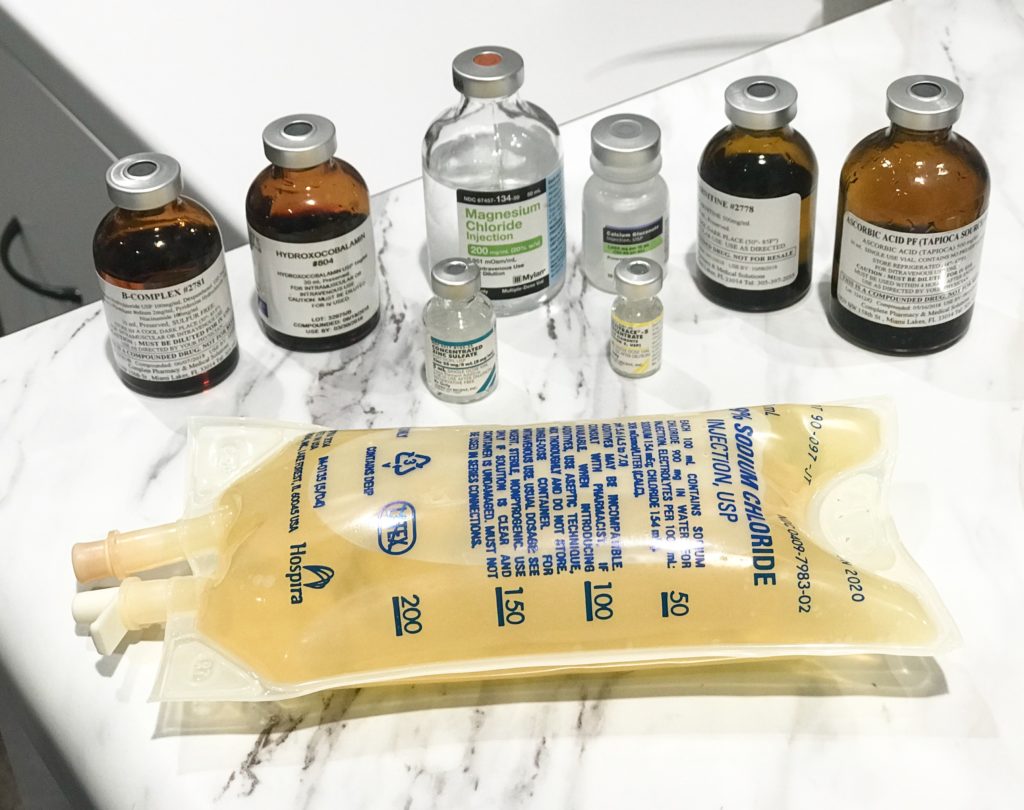
- IV glutathione: typically the most expensive and the most medicalized option; higher expectations exist, but also higher variability and risk profile.
Ingredients to look for (and what to be cautious about):
- Transparent ingredient list: glutathione form should be clear.
- Reasonable extras: some products bundle glutathione with vitamin C, selenium, or N-acetylcysteine. Extras aren’t “bad,” but they complicate interpretation of results and side effects.
- Minimal proprietary blends: you want to know what you’re taking.
Quality signals that actually help you buy:
- Third-party testing: certificates of analysis (COAs) for purity and contaminants.
- Clear allergen info: important for women who are sensitive to certain excipients.
- Manufacturing standards: e.g., GMP-type assurances (or equivalent documentation).
- No “miracle” language: if marketing claims are absolute, it’s harder to trust dosing honesty.
Consumer review tip: if you’re evaluating whether glutathione is a good match for MTHFR-related concerns, keep your stack stable for at least a week. Then change only one variable: the glutathione product or dose.
Video: Glutathione Overview (and How People Actually Use It)
Comparison of Common Options for Can People With MTHFR Take Glutathione?
| Format | Typical Dose/Use | Pros | Cons | Cost | Best For |
|---|---|---|---|---|---|
| Oral capsules/tablets | ~100–250 mg/day to start; sometimes higher on labels | Easy to try; low hassle; flexible | Bioavailability can vary; label mg isn’t a guarantee | Usually low–moderate per month | First-time trialers with MTHFR who want cautious testing |
| Oral “enhanced” blends (with C/selenium/NAC) | Varies widely; often includes bundled antioxidants/cofactors | May improve tolerability for some; convenient bundle | Makes it harder to attribute results to glutathione | Moderate | People who already use a stable supplement base |
| Sublingual | Product-dependent; often smaller per serving | Some people prefer taste/consistency; convenient | Added sweeteners/excipients may bother sensitive users | Moderate | Those who dislike swallowing capsules |
| Powder | ~100–500 mg/day depending on product | Dose control; easy to adjust gradually | Mixing issues; taste can vary | Moderate | Women who want precise dose titration |
| IV (clinic-administered) | Regimen-dependent; often multiple sessions | More medicalized approach; can feel “strong” to some users | Higher cost; higher variability; not a DIY option | High per course | People with clinician guidance and a budget for trials |
Buying Framework and Red Flags for Can People With MTHFR Take Glutathione?
If you’re buying glutathione for MTHFR-related concerns, treat it like a consumer test: you’re evaluating tolerability, quality, and whether the product’s claims match reality.
Checklist (use before you buy):
- Does the label clearly state glutathione amount per serving? (Not just “proprietary complex.”)
- Is there third-party testing or COA availability?
- Are there extra actives? If yes, are they listed with amounts and reasonable?
- Does the product avoid absolute claims? If it guarantees results, that’s a red flag.
- What’s the return/refund policy? You want the option to stop a trial quickly if you react.
- Can you afford the trial length? A common failure mode is “I can’t finish a fair test,” which leads to inconclusive results.
Red flags (stop and reconsider):
- Vague dosing (“glutathione blend” with no gram amounts)
- No mention of purity testing or contamination screening
- Marketing that implies glutathione “treats” disease or promises cures
- Very high doses for first-time users without guidance on titration

Common Mistakes and How to Avoid Them
The fastest way to get a confusing outcome is to stack changes. Here are common mistakes I see in real consumer routines and how to avoid them:
- Starting too high: if you jump to a higher serving than recommended, you increase the chance of side effects and can’t tell whether glutathione is the problem.
- Changing multiple supplements at once: if you add glutathione while also adjusting methylfolate/B12/NAC, you won’t know what drove the change (good or bad).
- Expecting instant results: a cautious consumer approach uses at least 10–14 days for tolerability and early signals, and longer for subjective “feel” changes.
- Ignoring stomach sensitivity: glutathione products can irritate some people. If your stomach feels off, don’t “push through” out of stubbornness.
- Not tracking outcomes: write down one or two measures (energy mid-afternoon, headache frequency, sleep quality, skin appearance under consistent lighting).
FAQ
Is it proven that can people with MTHFR take glutathione?
Glutathione is biologically real and well-understood as an antioxidant, but “proven” depends on the outcome you care about. There is less certainty about whether MTHFR status specifically changes the results for everyone, and supplement trials often vary in dose, form, and endpoints. For most people, a cautious trial focuses on safety and tolerability rather than expecting a guaranteed effect.
How long does it take to notice results if you can people with MTHFR take glutathione?
If you’re looking for tolerability and early signals, many users set a 10–14 day window for “do I feel different or worse?” For more subjective goals (like skin appearance or general oxidative stress comfort), it can take several weeks, and results vary widely. If you don’t notice any change and no side effects occur, it may still be reasonable to reassess rather than continue indefinitely.
What are common side effects when can people with MTHFR take glutathione?
Commonly reported issues in consumer use include stomach upset, nausea, headaches, or feeling unusually restless. Side effects are more likely with higher doses, added co-ingredients, or when starting multiple supplements simultaneously. If you experience a clear worsening after starting, stop and reassess—especially if symptoms persist.
Can people with MTHFR combine glutathione with methylfolate or B12 safely?
Many people combine antioxidants and methyl-related supplements, but “safely” depends on dose, your tolerance, and your overall stack. The cautious approach is to add one new product at a time, start at the lowest reasonable dose, and watch for headaches, stomach discomfort, sleep disruption, or unusual fatigue.
Is glutathione better oral vs injection (IV), especially for people wondering can MTHFR take glutathione alternative options?
Oral and injection/IV options are used differently. Oral is typically easier to test at home with lower cost, but bioavailability can vary by form. IV is administered clinically and is more expensive, but it also carries a higher-risk and higher-commitment profile. An “alternative option” (like focusing on upstream precursors such as NAC) may suit some people, while others prefer direct glutathione. Choose based on your budget, tolerance, and clinician guidance where appropriate.
Video: Consumer-Style Glutathione Q&A
A Practical 2-Week Experiment Framework (Cautious, Consumer-Review Style)
If you want a real-world answer to “Can people with MTHFR take glutathione?” for your body, run a structured experiment. Here’s a framework that prioritizes safety and clear observation.
What you’ll do:
- Pick one glutathione product. Choose an option with transparent dosing (and ideally third-party testing).
- Start low. Use the lowest labeled serving or a half serving for the first 3–4 days if you’re sensitive to supplements.
- Keep your stack stable. Don’t change methylfolate/B12/NAC during the trial. If you already take them, keep them consistent.
- Track one or two outcomes. Examples: headache frequency, afternoon energy stability, sleep quality, or how your skin looks under consistent lighting.
- Document dose and timing. Write down when you take it (morning vs evening can matter for tolerability).
Suggested timeline:
- Days 1–3: Assess baseline tolerability (no “stacking” changes). If you get stomach upset or headaches, reduce dose or stop.
- Days 4–7: If you tolerate it well, continue at the same dose. Look for small, practical changes—nothing dramatic.
- Days 8–14: Decide whether to continue for another cycle or discontinue if you see consistent negative signals. If you see no change and no side effects, you can still stop—continuation isn’t automatically “better.”
How to interpret failure cases: If you feel worse after starting (especially if symptoms appear within days and improve after stopping), treat that as meaningful. A “no noticeable benefit” outcome is also valid—glutathione isn’t required, and the right approach is to stop wasting money.
About the Author
Jordan Ellis is a supplement-review writer and consumer educator focused on evidence-aware wellness routines for women. For the last several years, Ellis has tested and documented product experiences—dose changes, tolerability outcomes, and quality checks—by comparing label transparency, third-party testing availability, and real-world side effect patterns. Ellis does not claim that any supplement treats or cures medical conditions, and this article reflects cautious consumer testing practices and general education only.
Disclaimer: This content is not medical advice. If you have a health condition, are pregnant or breastfeeding, or take prescription medications, consult a qualified healthcare professional before trying glutathione—especially with an MTHFR-related supplement stack.
Discussion