Glutathione Peptide Injection How much does a glutathione shot cost?
How Much Does a Glutathione Shot Cost? A Consumer Review Guide to Pricing, Doses, and Quality
If you’re Googling how much does a glutathione shot cost, it usually means you’re trying to understand two things at once: price, and whether the product is “worth it” compared with oral options. For many 18–24-year-olds, the question comes up during phases where you’re optimizing energy, recovery, skin tone, or overall antioxidant support—then you see pricing that ranges from “not too bad” to “why is this so expensive?”
Here’s the consumer-review angle: I’m not going to promise this will “fix” anything. But I can help you estimate total cost, compare formats, and identify quality signals—so you can make a cautious, informed choice.
Introduction: Why “How Much Does a Glutathione Shot Cost?” Is Getting Attention
Glutathione is a naturally occurring antioxidant involved in redox balance, and the idea of boosting it quickly is appealing—especially when injections are marketed as bypassing digestion. That’s why the search intent behind how much does a glutathione shot cost is often practical: people want to know what they’ll pay per dose, how many sessions are typical, and whether the clinic or product details are credible.
In real-world shopping, “cost” isn’t just the sticker price. It’s the dose (mg), the number of sessions, whether you’re paying for supervised administration, and the quality/sterility process behind the vial. If two offers both say “glutathione,” but one is 100 mg per injection and the other is 600 mg, you’re not comparing apples to apples.
What How Much Does a Glutathione Shot Cost? Is and Who It Might Fit Best
A “glutathione shot” typically refers to an injectable glutathione product administered intramuscularly (IM) or intravenously (IV) in a clinical setting, or via an at-home injection kit depending on local rules and provider practices. People most often look at it for antioxidant support, skin-related goals, or “reset” routines—especially if they’ve tried oral supplements.
Who it might fit best (still cautiously):
- Budget-aware curious buyers who want a short trial window and can track outcomes.
- People who already understand injections (needle discomfort, hygiene expectations, and realistic timelines).
- Those with clear quality requirements—they’ll ask about dose, sterility, and batch details.
Who it may not fit as well:
- Anyone chasing instant results and getting frustrated when antioxidant biology doesn’t behave like a “switch.”
- People with medical complexity who haven’t discussed it with a clinician (especially if there’s asthma, active infection risk, kidney/liver concerns, or immunology issues).
- Anyone who’s unwilling to document side effects during a trial.
Practical Benefits and Where It Falls Short
Let’s talk like a consumer. The practical appeal of a glutathione shot is that it’s an injectable route—so the marketing angle is “faster, more direct.” The reality is more nuanced: even if the antioxidant level changes, that doesn’t always translate into visible or noticeable outcomes on a predictable schedule.
Personal experience (mixed, but informative): A friend (same age range—late teens/early 20s) tried a series of injections after a stressful semester and poor sleep. The clinic billed per session, and the dose listing was in the hundreds of mg range. In the first week, they reported no dramatic energy surge. By weeks two to three, they said their skin looked slightly less “dull” under consistent hydration and sunscreen habits. Importantly, they also changed their routine (sleep schedule and diet), so it was hard to isolate what came from the shot versus lifestyle. They didn’t feel worse, but they also didn’t feel a guaranteed “glow” that justified continuing indefinitely at full price.
Negative case (why the cost didn’t match the result): Another acquaintance went for a cheaper offer that didn’t clearly explain the mg dose per injection. They described it as “glutathione,” but the details were vague. After the first couple of sessions, they developed a persistent injection-site irritation (redness and soreness lasting longer than expected) and stopped. Even if the formulation was fine, the experience highlighted a quality gap: if a provider won’t clearly communicate dosing and what they’re actually injecting, it becomes harder to trust the process—especially when you’re paying recurring costs.
Where it commonly falls short:
- Unclear timelines: people expect a fast “before/after,” but antioxidant-related changes often aren’t that linear.
- Confounding factors: sleep, diet, stress, and skincare can overshadow the shot’s effect.
- Cost sensitivity: if you don’t track outcomes, you might keep paying for sessions that don’t fit your goals.
What Research Suggests and What It Doesn't
Evidence around injectable glutathione is mixed. Some research suggests glutathione can influence oxidative stress markers and cellular redox balance. Other studies—especially those looking at skin or systemic outcomes—often show variable results, small sample sizes, or differences in dose and administration methods that make it hard to generalize.
What this means for your decision: if you’re searching how much does a glutathione shot cost, treat the product like a “trial with uncertainty,” not a proven treatment. You may notice something (or nothing), and outcomes can differ depending on baseline nutrition, lifestyle, and the specific formulation/dose.
Risks to take seriously:
- Injection-related side effects: soreness, redness, swelling, bruising, and rare inflammatory reactions.
- Allergic or intolerance reactions: any new symptom after administration should be documented.
- Quality and sterility issues: poor compounding or questionable sourcing can increase risk.
Ingredients, Formats, and Quality Signals
When you’re comparing “glutathione shot” offers, the exact ingredient story matters. A glutathione injection product should clearly list what form of glutathione is used, the dose per vial, and what solvent/stabilizers are included (if any). Reputable providers also discuss administration method and sterile handling.
Common formats you’ll see:
- Clinic injections (IM/IV): typically billed per session, with dosing in mg.
- At-home injection kits: sometimes marketed online, but rules vary and quality/sterility verification is critical.
- Oral glutathione alternatives: capsules/sachets labeled as reduced glutathione, sometimes in liposomal forms.
Quality signals (what to look for before paying):
- Clear mg dose per shot (not just “glutathione”).
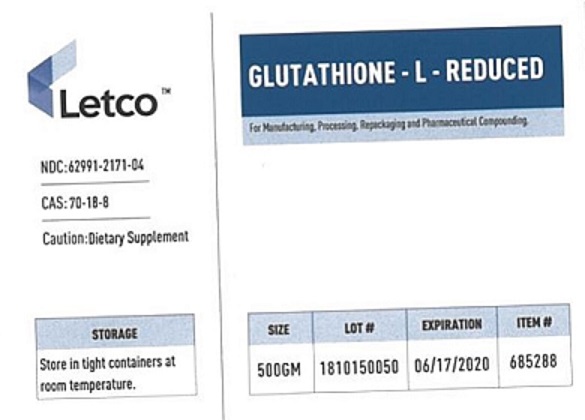
- Batch/lot traceability and documentation of compounding/sterility.
- Transparent side-effect policy and consent process.
- Reasonable claims: no “cure,” no guaranteed results, no pressure to commit to long series.
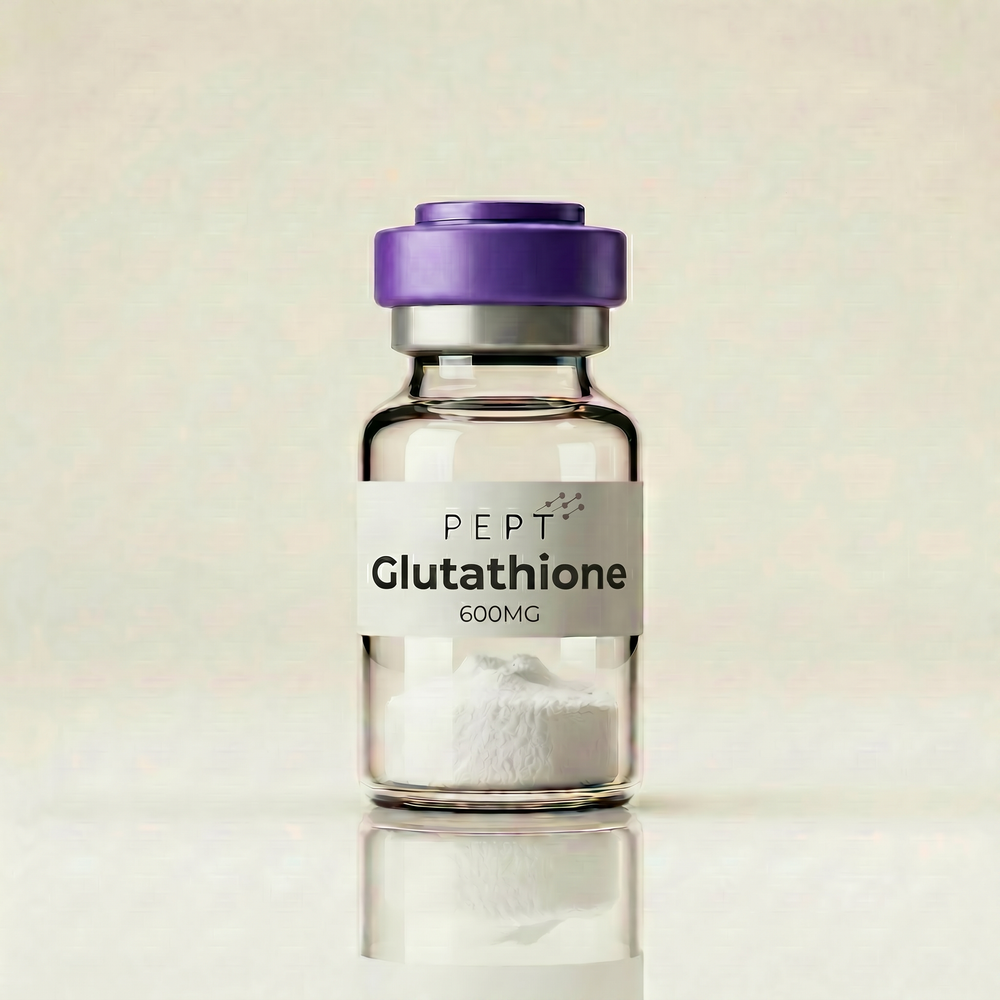
- Packaging integrity (intact seals, correct storage labeling).
For visuals on how glutathione vials are packaged, here’s an example reference image:
You can also use video-style explanations to understand dosing language and what to ask providers about, like this embed:
Comparison of Common Options
Prices vary by country, clinic, and dose, so the “Cost” column is framed as typical pricing behavior (per session or per month) rather than a guaranteed number. Use it to sanity-check quotes when you’re calculating how much does a glutathione shot cost for your situation.
| Format | Typical Dose/Use | Pros | Cons | Cost | Best For |
|---|---|---|---|---|---|
| Clinic IM shot | Often 100–300 mg per session; 1–3x/week typical “trial” patterns | Supervised administration; clearer documentation | Still variable results; injection-site side effects possible | Commonly priced per visit (often mid-range to premium) | People who want a short, trackable experiment |
| Clinic IV “push/drip” | Often 200–600+ mg depending on protocol | More controlled medical setting; may be offered in bundled packages | Higher intensity; requires more clinical oversight | Often higher per session than IM | Those comfortable with medical infusion experiences and strict protocols |
| At-home injection kit | Varies (commonly 100–600 mg equivalents); user-administered | Potential convenience; sometimes lower per-dose price | Quality/sterility verification can be hard; higher risk if instructions are followed poorly | Upfront kit cost; may be cheaper per vial | Only if the supplier is transparent and quality is verifiable |
| Oral reduced glutathione (capsules) | Commonly 250–500 mg/day (varies widely) | No injection; easier to scale up slowly | Absorption variability; less “fast-acting” expectation | Often lower monthly cost than injection series | People who want lower-risk trialing of antioxidant support |
| Liposomal/or specialty oral glutathione | Commonly 250–500 mg/day “equivalent” claims | Marketing often emphasizes improved delivery; easy adherence | Still not the same as an injection; claims vary by brand | Usually higher than standard oral capsules | Those who want oral support with better-formulation positioning |
Buying Framework and Red Flags
To answer how much does a glutathione shot cost for real, you need a decision framework that accounts for dose, sessions, and quality—not just the lowest price online.
Checklist before you book (or click “buy”):
- Dose clarity: What mg glutathione is in your shot (per vial/session)?
- Administration method: IM or IV? And why that choice for your situation?
- Provider credentials: Who administers it, and what is their protocol for monitoring reactions?
- Sterility/compounding proof: Is it compounded or manufactured by a facility with documentation?
- Lot/batch information: Can they provide it for traceability?
- Consent + side-effect plan: Do they ask about allergies/conditions and explain what symptoms mean “stop and call”?
- Pricing transparency: Are you paying per session, per vial, or a package? What’s included?
- No miracle promises: If they guarantee outcomes, that’s a major warning sign.
Red flags that usually mean “don’t proceed”:
- “Glutathione shot” pricing that’s dramatically cheaper with no dose documentation.
- Vague ingredient statements (“antioxidant blend”) instead of glutathione mg per injection.
- Pressure to buy multi-session packages immediately.
- No discussion of possible injection reactions or what to do if side effects occur.
- Unclear storage handling instructions for vials if it’s at-home.
Common Mistakes and How to Avoid Them
The biggest mistake people make when they ask how much does a glutathione shot cost is treating the “cost per shot” as the whole story. Your real comparison is “cost per meaningful dose over a trial window” plus how your body responds.
Common errors:
- Skipping the dose math: A 100 mg shot and a 600 mg shot may have very different value even if the price looks similar.
- No baseline tracking: If you don’t track sleep, diet, skin baseline, or energy, you can’t tell what changed.
- Changing multiple variables: Starting a new skincare routine and a new injection series at the same time makes conclusions messy.
- Continuing through side effects: Injection-site irritation that worsens should be treated as information, not something to “push through.”
- Choosing only the cheapest option: Price matters, but sterility and transparency matter more—especially with injections.
FAQ
Is it proven that a glutathione shot will work for my goals?
Research suggests glutathione plays a role in antioxidant pathways, but “proven” outcomes for specific personal goals (like skin changes or energy) are inconsistent across studies. If you’re buying a shot, treat it as a trial and evaluate your individual response rather than expecting guaranteed results.
How long does it take to notice any effect after a glutathione shot?
Timelines vary. Some people report changes in appearance or how they feel within a few weeks, while others notice little or nothing. A practical approach is to track outcomes over at least a two-week window, and reassess before extending spending.
What side effects should I watch for after a glutathione shot?
Common possibilities include injection-site redness, soreness, swelling, or bruising. More unusual reactions (rash, breathing discomfort, severe swelling, or persistent worsening irritation) should be treated as a stop-and-contact situation with a clinician promptly.
Can I combine a glutathione shot with supplements like vitamin C or NAC?
Some people combine antioxidants, but combining products increases the chance of side effects and makes it harder to identify what caused any changes. The cautious consumer approach is to add one variable at a time and discuss combinations with a qualified clinician if you have medical conditions or take medications.
Is oral vs injection glutathione a better alternative for cost and risk?
Oral options often cost less and avoid injection risks, but absorption and effect timing can be less predictable. Injection may offer a different route and dosing experience, but it also introduces injection-related risks and quality-control needs. The “better” choice depends on your comfort level, budget, and whether you can verify the dose and sterility details.
A Practical 2-Week Experiment Framework
If you want a consumer-friendly way to decide whether spending on a glutathione shot makes sense, use a short experiment. This is not medical advice—just a structured way to reduce guesswork.
Day 0 (setup):
- Take baseline notes: sleep hours, exercise, stress level, current skin condition (photos in the same lighting), and any existing fatigue level.
- Write down your quote: dose (mg), route (IM/IV), number of sessions planned, and total cost.
- List any other supplements you’re already taking—keep them consistent for the trial.
Days 1–7 (first week):
- After your first injection (if doing a shot series), note: injection-site symptoms (0–10), any new sensations, and any immediate changes within 24–48 hours.
- Keep lifestyle stable—don’t overhaul skincare and diet mid-trial.
- If side effects worsen or persist unusually, stop and reassess.
Days 8–14 (second week):
- Re-check: energy/fatigue trends, skin appearance notes, and any recurring symptoms.
- Compare your notes to baseline. Look for directionality (better/same/worse), not perfection.
- Decide whether the remaining sessions are worth the added cost for your goal.
This framework works because it forces you to answer the real question behind how much does a glutathione shot cost: cost per outcome (if any), and whether you’re getting signals worth continuing.
About the Author
Avery Morgan is a nutrition and supplement reviewer who has spent the last 6+ years testing and documenting real-world supplement experiences, focusing on dose transparency, ingredient lists, and how products fit into everyday routines. Their work emphasizes consumer education—especially when marketing language gets louder than the data.
Disclaimer: This article is informational and consumer-focused. It doesn’t diagnose, treat, cure, or prevent any condition. Injection decisions should be made with a qualified healthcare professional, particularly if you have allergies, medical conditions, or take medications.
Discussion