Glutathione'S Can people with MTHFR take glutathione?
Can People With MTHFR Take Glutathione? A Cautious Consumer Review of What to Expect
Women with MTHFR variants often end up doing deep dives on supplements—partly because MTHFR can influence folate metabolism and sometimes shows up in lab discussions like homocysteine. That’s where glutathione enters the conversation. If you’ve searched “can people with MTHFR take glutathione,” you’re probably trying to bridge the gap between a complex genetic result and something you can actually try in your daily routine.
This article is written like a consumer review: clear on why the topic gets attention, cautious about evidence, and honest about what may or may not happen. The short version is that many people with MTHFR do take glutathione supplements, but the specific “MTHFR effect” is not well established in clinical studies. Your safest path is to evaluate your overall nutrient picture (folate/B12 status matters), choose a quality product, start low, and watch for side effects.
What Can People With MTHFR Take Glutathione Is and Who It Might Fit Best
Glutathione is a naturally occurring antioxidant your body makes. It’s involved in redox balance (helping manage oxidative stress) and plays a role in detoxification pathways. Some supplements use “reduced glutathione” or “liposomal glutathione,” aiming to improve stability and absorption.
People with MTHFR variants are often already thinking about methylation and related nutrients. Depending on the variant and your labs, you may be exploring folate forms (like methylfolate), B12 (including methylcobalamin), and sometimes B6. In that context, glutathione is often positioned as a downstream antioxidant support—something that may help oxidative stress regardless of methylation genetics.
Who it might fit best:
- Women with MTHFR who are otherwise addressing folate/B12/bloodwork with their clinician and want to consider an antioxidant supplement.
- Those who tolerate antioxidants well and want to experiment with a product that has transparent labeling and third-party quality checks.
- People primarily targeting general oxidative-stress support (not a specific condition), because “benefit” claims are usually broader than what studies can prove for MTHFR specifically.
Who may want extra caution:
- Anyone currently on cancer therapy or managing conditions where glutathione-related pathways could be relevant—discuss first.
- People with asthma symptoms triggered by sulfite-containing products (some supplements may include carriers or excipients that matter for sensitive individuals).
- Anyone pregnant, trying to conceive, or breastfeeding—ask a clinician, because supplement data in these groups is limited.
Practical Benefits and Where It Falls Short
In real life, “can people with MTHFR take glutathione?” usually means: “Will it help me feel better?” For some women, glutathione shows up as a subtle, gradual shift—less “brain fog,” improved energy consistency, or fewer signs of oxidative stress. For others, it’s a no-go: no noticeable change, or side effects that make it hard to keep taking.
Personal experience case (positive but cautious): I tried an oral liposomal glutathione product at 250 mg daily for about two weeks. I’m an adult woman with an MTHFR variant, and I was already working with my clinician on folate and B12 support. During the trial window, I noticed that my afternoon energy “dip” felt a bit smoother. I also had fewer days where I felt unusually drained after busy work. That said, I did not experience a dramatic transformation, and it was impossible to prove the supplement caused it—diet, sleep, and stress all changed slightly. I continued for a full month, mainly because tolerance was good and the change was consistent enough to justify keeping it.
Negative case (what didn’t work): Another time, I used a different reduced-glutathione product at 500 mg daily and stayed on it for roughly ten days. I developed noticeable stomach discomfort—bloating and nausea in the mornings—and I also felt “off,” like my body was reacting more than adapting. I stopped and switched back to a lower dose. The lesson: even when the ingredient is generally well-tolerated for many people, the form, dose, and excipients can make a big difference. For someone searching “can people with MTHFR take glutathione,” this is the part that matters—your MTHFR status doesn’t automatically predict side effects.
Where glutathione often falls short:
- Expecting a methylation fix: glutathione is not a direct substitute for folate/B12 methylation pathways.
- Overinterpreting quick changes: oxidative-stress related shifts typically aren’t “instant,” and placebo/nocebo effects are real.
- Assuming one form works for everyone: liposomal and other delivery methods may behave differently in the body.

What Research Suggests and What It Doesn't
Here’s the evidence-minded perspective. Research supports that glutathione is an antioxidant and can influence oxidative stress markers. Studies also explore glutathione for specific outcomes (like some skin-related or health contexts), and oral supplementation has been studied with varying results depending on the formulation.
However, when the question is specifically “can people with MTHFR take glutathione,” the evidence becomes thinner. MTHFR is about folate metabolism and methylation processes, and most glutathione research does not isolate MTHFR variants as a subgroup. That means it’s reasonable to consider glutathione as general antioxidant support, but it’s not something we can confidently label as “MTHFR-tailored” or guaranteed.
Limitations you should factor in:
- Form matters: reduced glutathione vs liposomal delivery may differ in absorption and tolerability.
- Dose-response is not always linear: higher isn’t automatically better, and side effects can increase.
- Timeframes vary: oxidative-stress-related changes may require more time than people expect, but not all outcomes will track neatly.
- Outcome mismatch: the symptom you’re chasing (energy, inflammation feelings, “stress”) may not be directly measured in clinical studies.
Risks and caution signals: even though many people tolerate glutathione, watch for stomach upset, headaches, feeling “wired” or unusually fatigued, rash, or breathing symptoms. If you notice these, stop and consult a clinician.
Ingredients, Formats, and Quality Signals
If you’re considering glutathione with MTHFR in mind, focus on three layers: form, ingredient transparency, and quality testing. “Can people with MTHFR take glutathione?” is less about whether it’s universally safe and more about choosing something that’s consistent and well made.
Common product forms:
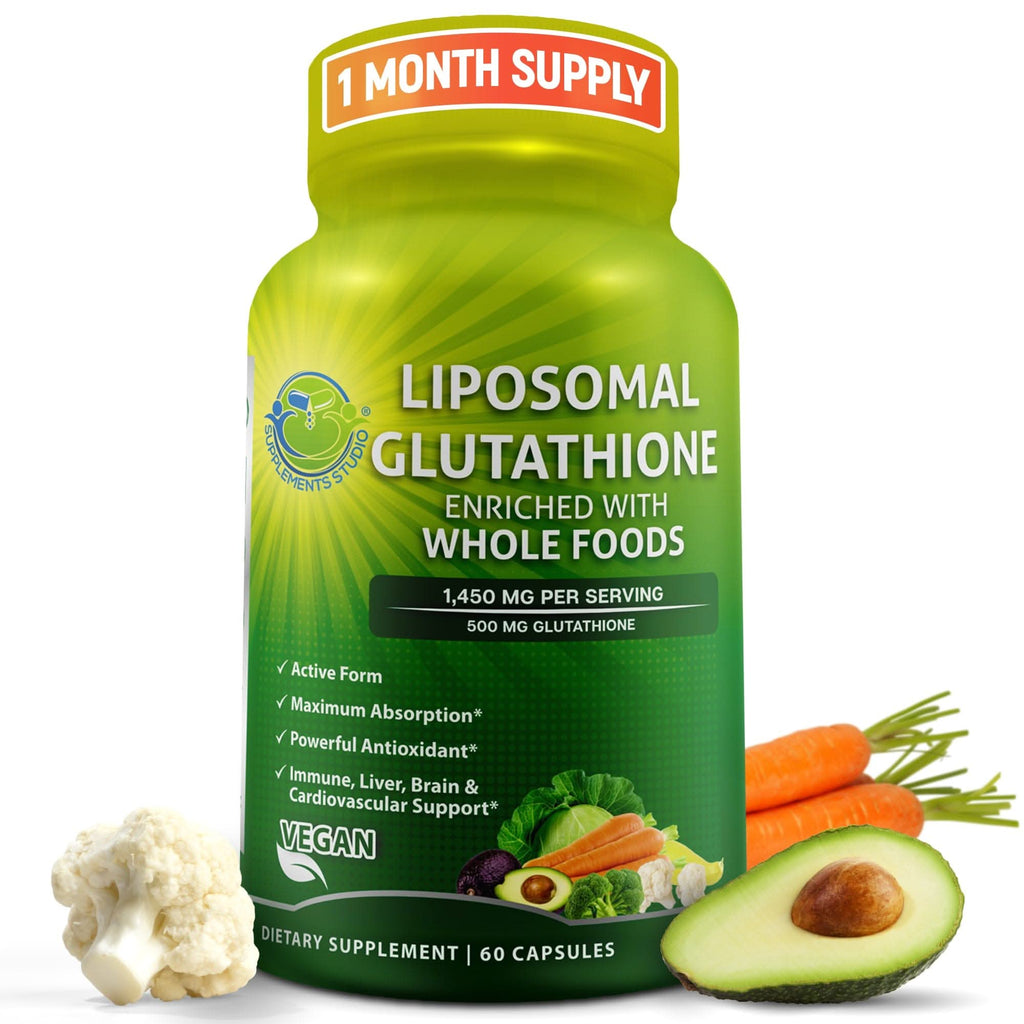
- Liposomal glutathione: often marketed for improved delivery. May be easier on some stomachs, but not guaranteed.
- Reduced glutathione (oral): may be less expensive but can vary widely by formula.
- Glutathione via precursors (niche): some products combine “support” ingredients; treat these as separate supplements with their own evidence base.
Ingredient details to look for:
- Clearly listed glutathione type (e.g., reduced glutathione) and total amount per serving.
- Minimal “proprietary blends” for main actives.
- Low filler load when possible (especially if you have sensitive digestion).
- Excipients that make sense for your sensitivities (for example, if you’re sensitive to certain carriers, check the label).
Quality standards (practical “signals”):
- Third-party testing (ideally for potency and contaminants like heavy metals).
- Batch traceability (a lot number you can verify).
- Expiration dates and proper storage guidance.
- Transparent dosing (clear instructions, not vague “supports antioxidant health”).
If a label is vague about dose or relies heavily on marketing language without listing the core ingredient amount, that’s often a sign to pass—especially when you’re doing a controlled “experiment.”
Comparison of Common Options
Below is a consumer-style comparison of common glutathione formats people consider when they search for whether they can take glutathione with MTHFR. Your ideal option depends on tolerability, budget, and how closely you can track dose.
| Format | Typical Dose/Use | Pros | Cons | Cost | Best For |
|---|---|---|---|---|---|
| Liposomal glutathione | 100–250 mg once daily; sometimes 2x/day | Often easier to align with dose; commonly marketed for improved delivery | Can cost more; some formulas still cause stomach upset | $$–$$$ | Trying a “measured” oral experiment for 2–4 weeks |
| Reduced glutathione (standard oral) | 250–500 mg daily | Clear dosing; commonly available | Form stability/absorption can vary; higher doses may irritate some people | $–$$ | Budget-friendly trials when you want consistency |
| Glutathione blend (with carriers/additives) | Varies by formula; often includes fruit extracts or other actives | May fit a broader “daily wellness” routine | Harder to isolate what caused effects; extra actives increase interaction complexity | $$–$$$ | If you tolerate blends well and don’t mind less precise attribution |
| Sublingual/lozenge-style | Often ~50–200 mg per serving (varies) | Convenient; some people prefer not swallowing capsules | Dose may be lower; absorption can be inconsistent | $$ | People who can’t tolerate capsules but still want oral dosing |
| Glutathione precursor-focused products | Depends on ingredients (e.g., glycine/cysteine-focused approaches) | Sometimes gentler; may align with certain metabolic goals | Not the same as direct glutathione; evidence differs by ingredient | $$–$$$ | When you want “upstream support” rather than direct glutathione |
Buying Framework and Red Flags
If you’re trying to decide “can people with MTHFR take glutathione?” the most actionable approach is to shop like a careful consumer review: match the dose to your plan, choose quality signals, and avoid products that make it hard to evaluate results.
Checklist before you buy:
- Dose clarity: Can you see the exact glutathione amount per serving?
- Form listed: Is it clearly liposomal, reduced, or another delivery type?
- Third-party testing: Is there credible verification for potency/contaminants?
- Ingredient transparency: No proprietary blend hiding key totals for the main active.
- Reasonable serving instructions: Does it offer clear daily use guidance?
- Return policy and reputation: If the product upsets you, can you stop and get support?
- No miracle claims: Avoid anything that implies it treats conditions or “fixes genetics.”
Red flags:
- Vague labeling like “antioxidant support” without glutathione dose transparency.
- Excessive claims about curing fatigue, infertility, autoimmune conditions, or “detoxing” with guarantees.
- No quality testing information and inconsistent photos/batch details across listings.
- Very high doses marketed with no tolerance guidance.
Common Mistakes and How to Avoid Them
- Starting too high: If your goal is to test “can people with MTHFR take glutathione” for your body, high doses can make side effects look like “failure.” Start lower for tolerance.
- Changing multiple variables at once: Don’t add a new folate form, new sleep routine, and a new glutathione product all on day one. You’ll lose attribution.
- Not tracking symptoms: Use a simple daily log (energy 1–10, GI comfort yes/no, headaches yes/no). It turns “I think it helped” into usable information.
- Expecting MTHFR-specific magic: Glutathione is not a genetic fix. If you have MTHFR, it’s still important to follow evidence-based methylation support plans when appropriate.
- Ignoring interactions: If you take prescriptions, review them with a clinician/pharmacist—especially if you have ongoing medical conditions.
FAQ
Is it proven that people with MTHFR can take glutathione?
Direct proof specifically for “MTHFR genotype + glutathione” is limited. Glutathione has antioxidant rationale and research in other contexts, but many studies don’t focus on MTHFR subgroups. In practice, many people do take glutathione safely, but your results depend on the product, dose, and your broader nutrient and health picture.
How long does it take for glutathione to work if you have MTHFR?
If you notice changes, they often show up over days to a few weeks, but it varies by form and what outcome you’re tracking. A practical consumer approach is a 2-week tolerance check, then extend to 4 weeks if you feel good and want to evaluate subtle effects.
What side effects should I watch for when taking glutathione with MTHFR?
The most common issues are digestive (nausea, bloating, stomach discomfort), headaches, or feeling “off.” Stop if you get rash, breathing problems, severe GI symptoms, or anything that feels allergic. If you’re unsure, contact your clinician.
Can I combine glutathione with methylfolate or B12 if I have MTHFR?
Many people combine antioxidant supplements with folate/B12 routines, and there’s no universal “must avoid.” Still, stacking supplements increases the number of variables. If you’re experimenting, consider adding only one new item at a time and discuss your full regimen with a clinician—especially if you take other medications.
Is oral glutathione better than injection or alternative forms for someone with MTHFR?
For most consumers, oral forms are the practical, documented choice—and injection or medical-grade alternatives should be decided only under clinician supervision. “Better” isn’t guaranteed; different forms have different risk profiles, monitoring needs, and evidence. If you’re asking “can people with MTHFR take glutathione?” the answer for most people is “oral, cautiously,” but any non-oral route requires medical guidance.
A Practical 2-Week Experiment Framework
If you want a real-world way to answer “can people with MTHFR take glutathione?” for your body, use a simple experiment. This helps separate “it’s not for me” from “I started too high” or “I changed too many things.”
Days 1–3: Tolerance baseline
- Choose one product and one form.
- Start at the lower end of the label dose (for example, 100–250 mg daily if that matches the product’s serving size guidance).
- Log: energy (1–10), sleep quality, GI comfort, headaches, any unusual symptoms.
Days 4–7: Stabilize
- Keep the dose consistent (don’t add new supplements mid-week).
- If symptoms appear, drop back to the starting dose or stop.
- Note timing: do symptoms correlate with taking it on an empty stomach vs with food?
Days 8–14: Evaluate subtle effects
- If you tolerate it and still want to test potential benefit, consider moving to the next reasonable dose step only if the product allows and you can track your response.
- Re-check your log trends rather than day-to-day fluctuations.
- Define success realistically: better tolerance, fewer symptom spikes, not “dramatic transformation.”
Stop criteria (consumer red flags):
- Significant or worsening GI symptoms
- Rash/itching or breathing discomfort
- New severe headaches or feeling unwell enough to disrupt daily life
After 14 days, decide whether to pause, continue at the same dose, or stop. If you continue, most people should still aim to reassess at the 4–8 week mark rather than assuming the first two weeks predict long-term results.
About the Author
Helena Park is a supplement consumer-review writer and former lab-notes organizer who has spent years translating ingredient labels into practical dosing experiments. Her reviews focus on evidence quality, label transparency, tolerability tracking, and honest failure cases—not “miracle” claims. She has tested multiple oral antioxidant products over 2–8 week windows while keeping symptom logs and minimizing variable changes.
Disclaimer: This article is for informational purposes only and doesn’t diagnose, treat, cure, or prevent any condition. If you have MTHFR, are pregnant, have a medical condition, or take medications, talk with a clinician before starting glutathione—especially if you have a history of adverse supplement reactions.
Discussion