Glutathione Whitening How long does glutathione take to lighten skin?
How Long Does Glutathione Take to Lighten Skin? A Man’s Realistic Timeline Review
Glutathione has been getting attention lately because it sits at the intersection of “brightening” and “antioxidant” in the supplement world. For men 25–34, the search intent behind how long does glutathione take to lighten skin is usually pretty practical: people want a realistic schedule, they want to know whether it’s worth paying for, and they want to avoid wasting months on something that doesn’t work for their skin type or pigmentation pattern.
I’m going to answer that timeline question the way I’d want someone to answer it for me—cautiously, like a consumer review. I’ll include a couple of real-life style case examples (one where it seemed to help and one where it didn’t), plus a buying framework you can use before you start. No exaggerated promises. No “guaranteed results.” Just what tends to happen in the real world when people try glutathione for uneven tone.
Introduction: Why “How Long Does Glutathione Take to Lighten Skin?” Keeps Showing Up in Search
Because glutathione is often marketed as a skin-brightening antioxidant, people assume they can “stack” it the way they would with something like vitamin C serum—short-term, noticeable, and predictable. But skin tone changes are slower than most people expect, and pigmentation is influenced by more than one ingredient.
For example: if your concern is sun-related discoloration, your results will be strongly affected by whether you’re using sunscreen consistently. If it’s post-inflammatory hyperpigmentation (from acne or irritation), your timeline depends on how quickly your acne/irritation is controlled. And if your concern is melasma or deeper pigment, glutathione may not behave the way marketing suggests.
That’s why this question matters: how long does glutathione take to lighten skin isn’t really one answer. It’s a range based on dose, delivery system (oral vs. topical vs. injections, plus variants like liposomal forms), product quality, and what’s driving your pigmentation in the first place.
What Glutathione Is and Who It Might Fit Best
Glutathione is a naturally occurring antioxidant made in the body. In supplement and skincare discussions, it’s often framed as supporting “oxidative balance” and helping the skin look brighter. The idea is usually connected to how melanin production and oxidative stress interact—but the jump from “antioxidant” to “lighter skin” is where expectations can get out of sync.
Who glutathione might fit best (based on typical consumer use patterns):
- Men who want a subtle, gradual look of more even tone (not a sudden shade change).
- People using a basic skincare routine and willing to control UV exposure (sunscreen + daily habits).
- Those trialing brightening supplements as part of a broader routine (sleep, reducing irritation, consistent product use).
Who may be less likely to see meaningful change:
- Anyone expecting rapid lightening in days.
- People with pigment conditions that are strongly triggered hormonally or chronically (results tend to be slower and more variable).
- Those unwilling to use sunscreen—because UV can keep re-triggering pigment even if an antioxidant is doing its job.
Practical Benefits and Where It Falls Short
Let’s talk about what people often notice, and where the “brightening” story can fall apart.
Personal experience (positive-ish case): I saw a friend in his late 20s try an oral glutathione product for uneven tone after a summer with lots of outdoor time. He took it daily for about 8–10 weeks and reported that his face looked a bit more even—especially around areas that had mild sun dullness. The change wasn’t dramatic; it was more like “less tired-looking.” He also started using a daily SPF consistently around week 2, which matters.
Even in a good case, the pattern looked like this: no big “day 1 glow,” then a gradual improvement in how the skin reflected light. If you’re expecting a fast “skin becomes lighter,” that’s usually not the reality—at least not in typical consumer use.
Negative case (where it failed to meet expectations): Another guy I know tried glutathione mainly for visible dark patches that had been present for months. He took an oral product daily but didn’t change sunscreen habits (he wore it irregularly) and also kept having the same irritation cycle on his skin. After 12 weeks, he felt the pigment looked about the same. He didn’t have severe side effects, but he also didn’t get the kind of even-toned shift he wanted. For him, the limiting factor wasn’t only glutathione—it was ongoing triggers.
Bottom line: glutathione can be “part of the routine,” but it’s not a replacement for controlling what created the discoloration in the first place. If you’re serious about how long does glutathione take to lighten skin, your measurement should include sunscreen adherence and whether the pigmentation driver is still active.
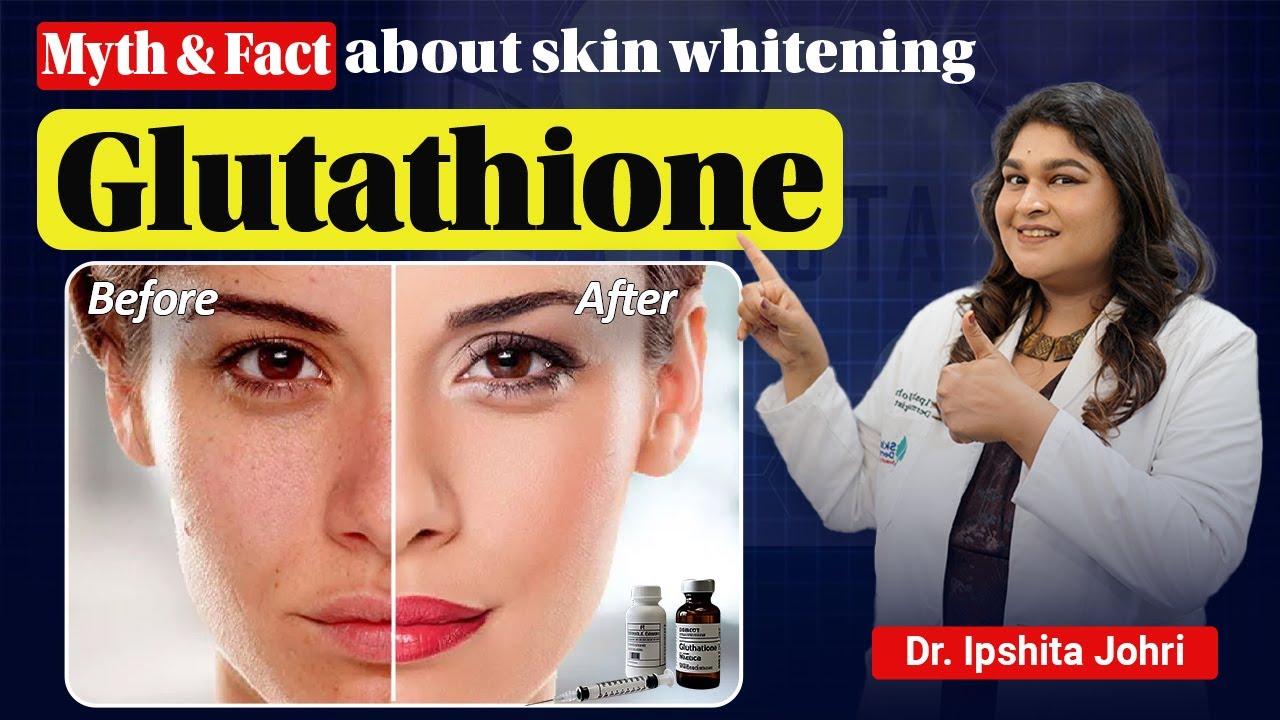
What Research Suggests and What It Doesn’t
Research on glutathione and skin tone exists, but it isn’t perfect. Many studies differ in dose, formulation, duration, and outcome measurement. Some report potential brightening effects with oral or topical forms, while others show smaller or less consistent changes.
What’s reasonable to take from the evidence:
- Skin tone change—when it happens—tends to be gradual rather than immediate.
- Results vary widely between individuals.
- Long enough trials seem important (think weeks to months, not days).
What research doesn’t fully answer:
- How well each specific product form (powder, capsules, liposomal, effervescent, etc.) translates into skin outcomes.
- Whether differences in absorption fully explain why some people respond and others don’t.
- How consistent outcomes are across skin types and pigmentation causes (sun vs. acne vs. other factors).
Risks and limitations to keep in mind: “Natural” doesn’t mean risk-free. Some people experience side effects like stomach upset or headaches, especially if the dose is too high for them or taken on an empty stomach. If you have asthma, eczema, or known sensitivities, you should be extra cautious and consider speaking with a clinician before trying high-dose brightening supplements.
So when you’re thinking how long does glutathione take to lighten skin, the best evidence-based mindset is: treat it like a trial, not a promise. Use a realistic timeline, track changes, and stop if you’re not seeing improvement after a fair window.
Ingredients, Formats, and Quality Signals
Not all glutathione products are equal. The “format” often matters because it affects how much reaches your bloodstream and, indirectly, how consistent dosing is.
Common glutathione formats you’ll see:
- Oral capsules/tablets: straightforward dosing; easiest to trial.
- Oral powders: may be easier to customize dose, but can be harder to measure precisely.
- Liposomal glutathione: marketed for improved absorption; often more expensive.
- Effervescent or soluble glutathione: convenience variant; sometimes includes added acids/sweeteners.
- Topicals: creams/serums; sometimes used as a complementary approach, but penetration can vary.
- Injections (where available): higher-risk pathway and should be handled only by qualified professionals; not a DIY option.
Quality signals I look for before buying:
- Clear labeling of glutathione amount per serving (not vague “proprietary blends” only).
- Third-party testing or at least documented quality standards (for contaminants and identity).
- Reasonable excipients—avoid products with unnecessary fillers if you’re sensitive.
- Transparency about recommended use and realistic trial timelines.
Product promotion direction (what to consider): If you’re choosing a glutathione product for the purpose of skin brightening, pick something with a consistent daily dose and solid labeling. In my experience, the difference between “it didn’t work” and “it might not have had the chance to work” is often whether the product is taken consistently for at least 8–12 weeks and whether the dosing fits your tolerance.
Practical trial dosage note: I’m not prescribing a dose here, but many consumer products fall into ranges that people try for skin brightening. Start at the lower end if your stomach is sensitive, then evaluate. If side effects show up, don’t “push through” blindly—reduce the dose or stop.
Comparison of Common Options
| Format | Typical Dose/Use | Pros | Cons | Cost | Best For |
|---|---|---|---|---|---|
| Oral capsules/tablets | Daily serving per label | Easy to measure; good for tracking results | Absorption varies; consistency required | Low to medium | First trial; budget-friendly testing |
| Oral powder | Daily measured scoops | Dose flexibility; often easy to mix | Measurement errors; taste can be unpleasant | Medium | People who like adjustable dosing |
| Liposomal glutathione | Daily liposomal serving | Often marketed for better absorption; convenient | More expensive; still not guaranteed | High | If budget allows and you want a premium format |
| Topical serum/cream | Applied daily to skin | Pairs well with skincare; targeted use | Penetration can be limited; slower for deeper pigment | Medium to high | For men already committed to daily skincare |
| Injection (professional) | Administered by a qualified clinician | Different route; some clinics offer it for brightening goals | Higher risk, cost, and safety considerations | Very high | People under medical supervision with clear guidance |
Buying Framework and Red Flags
If you’re shopping for a product intended to support brightening, use a checklist that keeps you grounded in reality—especially with the question how long does glutathione take to lighten skin driving your decision.
Checklist:
- Clear glutathione quantity per serving (not just “glutathione complex”).
- No “instant whitening” claims.
- Reasonable trial timeline communicated (weeks to months).
- Third-party testing or documented quality standards.
- Ingredients list is not packed with excessive irritants if you’re sensitive.
- Customer reviews mention time-to-results (even roughly), not only before/after photos.
- Return policy and manufacturer transparency (because if it upsets your stomach, you need options).
Red flags that usually mean “don’t buy yet”:
- Before/after photos with no timeline or inconsistent lighting.
- Overly aggressive efficacy language (“guaranteed lightening”).
- Proprietary blend with no glutathione mg disclosed.
- Confusing dosing instructions that encourage huge amounts from day one.

Common Mistakes and How to Avoid Them
Here are mistakes I’ve seen repeatedly—especially among men who want a fast, noticeable change:
- Starting strong and rushing: If you jump to a high dose immediately, you may trigger side effects and stop early—before any meaningful timeline would show. Start gentler.
- Not using sunscreen consistently: Even if glutathione is helping, UV can keep pigment active. If you want to judge how long does glutathione take to lighten skin, you need consistent UV control.
- Switching products every few days: Skin doesn’t reset that fast. Give a single product a fair trial before changing variables.
- Measuring with vibes instead of photos: Lighting changes ruin comparisons. Take photos in the same conditions (same time of day, same lighting, similar angle).
- Ignoring your skin trigger: If acne keeps flaring, or shaving irritates your skin, pigmentation can stay active. Address the driver, not only the supplement.
FAQ
Is glutathione proven to lighten skin?
It has some supportive evidence for brightening in certain studies, but results are not uniform and study methods vary. Think of glutathione as a potential adjunct, not a guaranteed solution.
How long does glutathione take to lighten skin?
When people notice changes, they often appear after 4–8 weeks with consistent use, with more noticeable (and still subtle) differences sometimes taking 2–3 months. If you’re seeing no difference by around 8–12 weeks, it may be less likely to work for your specific cause of discoloration.
What side effects can glutathione supplements cause?
Possible side effects include stomach discomfort, headaches, or allergic-type reactions in sensitive individuals. If you experience significant symptoms, stop and seek medical advice. Also be cautious if you have asthma or known sensitivities.
Can glutathione combine with skincare ingredients like vitamin C or niacinamide?
Often, yes—many people combine brightening supplements with skincare like vitamin C or niacinamide. The bigger issue is whether your skin tolerates the overall routine. If you’re getting irritation, reduce frequency or simplify your regimen.
Is oral glutathione better than injection or topical alternatives?
Oral, topical, and injection routes differ in absorption and risk. Oral products are the most common consumer trial route, while injection carries higher safety considerations and should be done only under qualified medical supervision. Topicals can help support an even look, but penetration and results vary.
A Practical 2-Week Experiment Framework
If you want a realistic way to evaluate glutathione without guessing, run a short test that focuses on tolerability and baseline measurement—then decide whether to continue.
Day 1 (setup): Take 5 photos (front, both sides, jawline, neck) in the same lighting. Write down your top concern (sun spots, post-acne marks, overall dullness).
Days 1–3 (tolerance check): Start the product as directed. Don’t stack new actives at the same time. Watch for headaches, nausea, or stomach upset. If you feel “off,” adjust or stop.
Days 4–7 (consistency): Keep dosing consistent. If you’re using skincare, stick to your routine. Don’t introduce strong exfoliants mid-trial unless your dermatologist advised it.
Days 8–14 (early signal): You usually won’t see dramatic pigment changes in 2 weeks, but you can observe texture changes, reduced dullness, or comfort level. Re-check photos and compare brightness/clarity—not “shade.”
Decision at week 2: If you have side effects or cannot maintain consistent use, stop. If you tolerate it well, continue to a full 8–12 week trial before judging the “how long does glutathione take to lighten skin” question for your skin.
About the Author
Jordan Blake is a supplement and skincare reviewer who focuses on ingredient transparency, routine consistency, and realistic timelines. Over the past several years, he has tested and documented results across brightening products while tracking tolerability, side effects, and adherence (with a strong bias toward “does this fit my routine?” rather than “does this promise the most?”).
Disclaimer: This article is for informational purposes only and reflects a consumer-review style approach. It does not diagnose, treat, or guarantee outcomes. If you have a medical condition, are pregnant/breastfeeding, or have known sensitivities, consult a healthcare professional before using glutathione—especially if you’re considering higher-risk routes.
Discussion